As we enter the new year according to the Hebraic calendar, 5787, which began at sunset on September 11, 2026, I believe it is important for us to understand something about the significance of this year.
Unlike the numbers on our Gregorian calendar, Hebrew letters also have numerical values, and the letters themselves carry meaning.
The number 5 is represented by the Hebrew letter Heh (ה) and has been associated with revelation and "behold." While that is worth recognizing, the primary emphasis I want to focus on in 5787 is found in 87 — Peh and Zayin.
Peh (פ) = 80 — Mouth
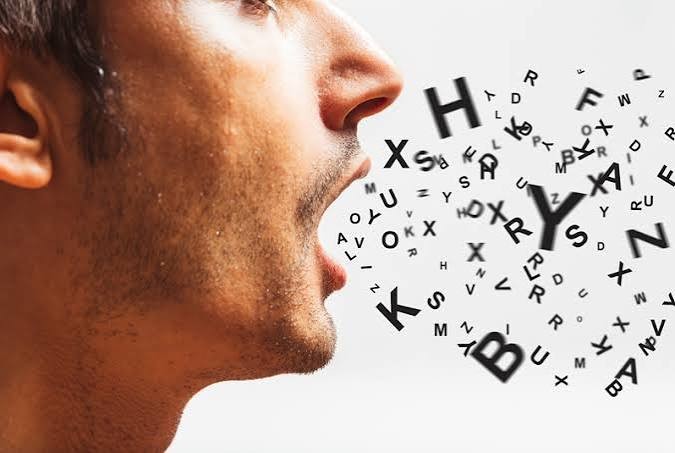
We are currently in the decade of Peh, the "mouth" decade, which includes the years 5780–5789. Peh literally means "mouth," and it draws our attention to speech, words, communication, and what we allow to come out of our mouths.
That alone should cause us to pay closer attention to what we are saying. Words are not insignificant. Words can build, destroy, encourage, discourage, bring peace, stir confusion, speak life, or release negativity into an atmosphere. Scripture consistently reminds us that what comes out of our mouths carries weight.
Zayin (ז) = 7 — Weapon or Sword
The number seven is represented by the Hebrew letter Zayin. Zayin is commonly connected with the imagery of a weapon or sword and is also associated with completion, rest, and spiritual warfare.
So as we enter 5787, there is a powerful connection between the mouth and the sword. We are in the decade of the mouth, and this particular year brings the imagery of the sword into that conversation.
The Bible says:
"Death and life are in the power of the tongue: and they that love it shall eat the fruit thereof." — Proverbs 18:21
In other words, what we say matters. There is fruit attached to our words. We will eventually experience the fruit of what we continually allow ourselves to speak.
It is going to be vitally important that we understand how to use our mouths and how to use the sword in our mouth, which is the Word of God, effectively in this year. Ephesians 6:17 tells us to take "the sword of the Spirit, which is the word of God."
Often, we speak what we see happening instead of speaking what God's Word says about what is happening. We repeat the problem. We repeat the report. We repeat what someone else said. We speak our frustration, our fear, our anger, and our disappointment, and sometimes we never stop to consider whether our words are lining up with what God has said.
This is a year that we need to tighten up what we allow to come out of our mouths. We need to become more conscious of what we are saying, how often we are saying it, and what kind of atmosphere our words are creating around us. Our very peace can be connected to it, because it is difficult to continually speak fear, negativity, confusion, and defeat and expect those same words not to affect us.
We have been given a weapon, and that weapon is powerful.
"For the word of God is quick, and powerful, and sharper than any twoedged sword..." — Hebrews 4:12
The Word of God is not a weak weapon. It is living. It is powerful. It cuts through what is false, exposes what is true, and reaches places that our natural words cannot reach. If God has placed that kind of weapon in our mouths, then we must learn to use it intentionally.
Hebrews 11:3 says:
"Through faith we understand that the worlds were framed by the word of God..."
God framed the worlds by His Word, and we have been given His Word to speak. As believers, we have the authority to frame our worlds with the Word of God. That means we do not have to allow what we see, what we hear, or what is happening around us to have the final word.
We can speak the Word of God over our homes, our families, our circumstances, our health, our peace, our minds, and every area of our lives. We have to understand the authority that has been placed in our mouths.
This is why our words matter so much. We are not simply talking. We are either coming into agreement with what we see and hear, or we are coming into agreement with what God has said.
There are times when we have to stop repeating what is happening and begin declaring what the Word of God says about what is happening. We have been given the sword of the Spirit, which is the Word of God, and we have the authority to use it.
So this is not only about being careful with our words. It is also about understanding the power and authority that should be coming out of the mouth of a believer. If we are in the decade of the mouth, and this year carries the imagery of the sword, then we need to know what is in our sword and know how to use it.
But that weapon was never intended to be used against one another. Our words should not become weapons that wound people while we claim to be fighting the enemy.
The Bible makes it clear who our real enemy is:
"For we wrestle not against flesh and blood, but against principalities, against powers, against the rulers of the darkness of this world, against spiritual wickedness in high places." — Ephesians 6:12
Our fight is not against each other. So it is really important how we speak about one another.
We have to become much more careful about how casually we speak about other people, especially other believers. Sometimes we repeat something simply because we heard it. We speak about another person's weakness, mistake, failure, or personal situation as though our words carry no consequence. We can become so comfortable talking about people that we never stop to ask ourselves whether the conversation should be happening at all.
Sometimes we speak about people in ways that we would never speak to them directly. We can be quick to form opinions and just as quick to repeat them. But if death and life are in the power of the tongue, then we cannot treat our words casually simply because we are talking to a friend, sitting in a private conversation, posting online, or commenting on something we saw on social media.
James 4:11 says:
"Speak not evil one of another, brethren."
And Ephesians 4:29 tells us:
"Let no corrupt communication proceed out of your mouth, but that which is good to the use of edifying…"
That does not mean that we can never address difficult situations or speak truth. It means that we must become more disciplined about how we use our mouths. Truth can still be spoken with wisdom. Correction can still be given without tearing someone down. Concerns can be addressed without slander, gossip, or unnecessary conversation.
Social media has made this even more important. We are living in a time when words can be spoken, posted, shared, forwarded, repeated, and believed within seconds. Something said casually can travel farther than we ever intended it to go. Once words are released, we do not always have control over where they go, who hears them, or what they produce.
So this also means we have to become very selective about who we are following and who we are listening to on social media. Everything that comes across our screen should not be allowed to influence our thinking or eventually become part of our own conversation. If we continually listen to angry voices, negative voices, accusing voices, fearful voices, and voices that constantly tear people down, eventually some of that can begin to affect what comes out of our own mouths.
We have to pay attention not only to what we are saying, but also to what we are continually allowing ourselves to hear.
Jesus said:
"Out of the abundance of the heart the mouth speaketh." — Matthew 12:34
What we continually take in has a way of settling in our hearts, and eventually what is in our hearts finds its way out of our mouths.
That is why this season should cause us to become more intentional about our words. Before we speak, we may need to ask ourselves: Is what I am about to say necessary? Is it true? Is it helpful? Is it edifying? Am I speaking from emotion, or am I speaking from a place of wisdom? Am I simply repeating what I heard, or have I considered what I am releasing out of my own mouth?
If we are going to recognize the significance of being in the decade of the mouth, then we must also recognize the responsibility that comes with it.
The question is not simply, "What am I saying?" The greater question may be, "What am I producing with what I am saying?" Because our words produce something.
They can produce life or death. They can produce peace or confusion. They can strengthen faith or feed fear. They can build someone up or tear someone down. They can cause us to continually rehearse what is wrong, or they can bring our speech back into agreement with the Word of God.
In 5787, I believe we need to become much more intentional about the words that are coming out of our mouths. We need to understand both the responsibility of our words and the authority we have been given to speak the Word of God.